Stay current with our airline news coverage.
Faith Tourism Drives Early Rebound
The composition of the visitor base has shifted. Christian pilgrims, particularly from the United States and Europe, are returning faster than secular tourists or business travelers. In 2025, pilgrimage visitors accounted for 9% of total arrivals, up from just 5% the year before, according to data reviewed by Zenit.org. Meanwhile, Jewish visitors, historically the largest segment, dropped to 51% of arrivals in 2025, down from 66% in prior years. That demographic shift reflects a combination of faith-based resilience and logistical reality. Sacred sites, including Jerusalem's Old City and Bethlehem, have remained open and accessible even during periods of heightened security. American pilgrims, who made up the largest single national contingent at roughly 400,000 visitors in 2025, have proven more willing to return than visitors from other markets. France sent 159,000 travelers, the UK contributed 95,000. The surge in faith tourism aligns with broader patterns observed in conflict-adjacent destinations where religious or heritage sites anchor visitor demand. It's also a reflection of organized group travel; tour operators with long-standing Holy Land itineraries resumed operations faster than independent travelers could rebook canceled plans.Flight Capacity and Advisory Downgrades
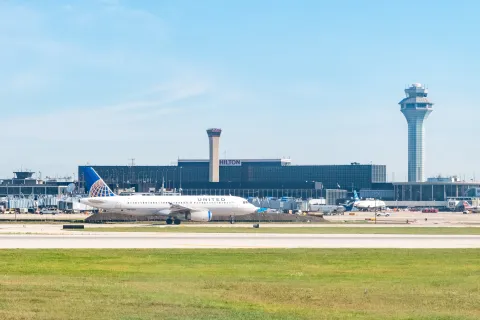
The return of commercial air service has been the single most important variable. Major carriers including United, Delta, Lufthansa, and Air France gradually restored Israel routes throughout 2025. By November, approximately 90% of pre-war flight paths were operational. That capacity enabled the January 2026 spike and will determine whether the trajectory holds. Travel advisories matter, but less than many assume. The U.S. State Department, UK Foreign Office, and other Western governments have eased restrictions on non-essential travel to parts of Israel, though warnings remain in place for Gaza, the West Bank, and areas near the Lebanese and Syrian borders. Tourism Minister Haim Katz has directly linked the visitor rebound to these advisory downgrades and the resumption of airline service, according to reporting from multiple outlets tracking the sector. From a traveler perspective, the risk calculus has shifted but not disappeared. Tel Aviv, Jerusalem's western districts, and the Dead Sea resort zone are operating under relatively stable conditions. Northern border areas and the West Bank remain off-limits for most itineraries. Visitors flying in today face airport security protocols that are rigorous even by Israeli standards, but the operational tempo at Ben Gurion is approaching normalcy.Economic Impact and Projections
Tourism contributed between 2.5% and 2.8% of Israel's GDP before 2023. The sector's collapse cost the economy billions in direct revenue and tens of thousands of hospitality jobs. Average tourist spending in 2025 was $1,622 per visitor, excluding airfare, a figure that aligns with historical norms but reflects shorter trip durations and reduced discretionary spending in certain categories. Industry projections for 2026 range between 2.8 million and 3.2 million arrivals, representing 62% to 70% of 2019 levels. That's contingent on sustained ceasefire conditions, continued flight availability, and no major security incidents that would trigger renewed advisory escalations. Some analysts have floated a target of 4 million visitors by year-end if stability holds, though that figure assumes an acceleration that has not yet materialized. Hotel operators in Tel Aviv and Jerusalem are cautiously optimistic. Occupancy rates remain well below pre-war peaks, but forward bookings through the spring and summer months show incremental growth. The challenge is less about demand signals and more about operational capacity; some properties remain closed, and staffing shortages persist after mass layoffs in late 2023.What Travelers Should Know
Israel is accessible, but it's not seamless. Expect elevated security at all points of entry, longer wait times for visa processing if applicable, and restrictions on movement in certain regions. Travel insurance that covers conflict-related disruptions is essential. Flight schedules remain subject to short-notice cancellations based on security developments. The recovery is real. The planes are landing, and the hotels are filling up. But this is a phased rebuild, not a return to 2019. For travelers willing to navigate the residual uncertainty, the infrastructure is functional, the sites are open, and the crowds are thinner than they've been in years.More travel news
United Resumes Twice-Daily Newark–Tel Aviv Flights
United’s Newark–Tel Aviv route is operating twice daily, and Delta’s JFK service has returned; United plans Chicago and Washington flights from October.

Iberia Pushes Israel Flights to October Amid Safety Fears
Madrid, Spain - Spanish carrier Iberia extends its Israel suspension through October 24, mirroring British Airways' timeline, while budget operators begin testing the water with gradual service resumptions.

Airlines Ground Israel Routes Until Fall
TEL AVIV, Israel - Major international airlines push Israel flight suspensions into late summer, with United and Air Canada halting service through Sept. 7 amid ongoing regional security concerns.

Israel Builds Luxury Resorts Amid War and Tourism Crash
TEL AVIV, Israel — Despite active conflict and a collapse in visitor numbers, Israel is moving forward with luxury resort and hotel construction, signaling long-term confidence in tourism recovery.

About the Author

Jeff Colhoun
Jeff Colhoun is an acclaimed travel writer, photographer, and filmmaker, whose work is respected both in the United States and internationally.