MEXICO CITY, Mexico — Travelers with plans to visit Mexico or already on the ground are tracking security developments after recent cartel violence disrupted parts of western Mexico. The incidents, concentrated in Jalisco state, caused brief flight delays and roadblocks, but Mexican authorities maintain that tourist areas remain operational and secure as conditions stabilize.
What Happened in Jalisco
Cartel-related violence flared in Jalisco, a state home to both the resort city of Puerto Vallarta and the metropolitan hub of Guadalajaca. The unrest led to temporary flight disruptions and roadblocks across parts of the region. While the violence was significant enough to draw international attention, authorities emphasized that the incidents occurred outside major tourist zones and that normal operations have resumed in travel-focused areas. The disruptions were brief but consequential enough to affect travelers' movements. Flights experienced delays as airlines and airport authorities assessed security conditions. Road access became complicated in certain areas, forcing some visitors to adjust routes or delay trips temporarily. Mexican officials moved quickly to contain the situation and communicate with tourism stakeholders about the evolving conditions.
Tourist Areas Remain Operational
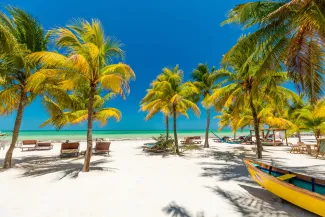
Despite the violence, Mexican authorities stressed that tourist destinations continue functioning. Puerto Vallarta, one of Jalisco's most visited beach resorts, remained open to visitors throughout the incidents. The same applies to other tourism-focused areas within the state. The violence that captured headlines was geographically contained to zones that travelers rarely visit, a distinction officials are working to clarify as misinformation spreads on social media. The stabilization process is underway. Flight schedules have normalized, roadblocks have been cleared, and security forces maintain heightened presence in strategic locations. For travelers already in Mexico or with imminent plans, the primary recommendation from authorities is to monitor official travel advisories rather than relying on secondhand reports or unverified social media posts.
The Misinformation Problem
One of the more serious complications emerging from this incident is the volume of misinformation circulating online. Social media platforms amplified rumors, exaggerated claims, and outdated reports, creating confusion for travelers trying to assess actual risk. Some posts suggested widespread danger across entire states or regions, while others shared videos and images from unrelated incidents or previous years. Experts tracking the situation emphasize the importance of verifying information through official channels. U.S. State Department travel advisories, embassy alerts, and statements from Mexican tourism authorities provide the most accurate real-time guidance. Travelers relying solely on social media risk making decisions based on incomplete or misleading information, which can lead to unnecessary cancellations or unwarranted panic.
Practical Guidance for Travelers
For those planning trips to Jalisco or neighboring regions, flexibility is essential. Conditions in areas affected by cartel activity can shift quickly, and having contingency plans allows travelers to adapt without abandoning trips entirely. Booking refundable accommodations, monitoring airline policies for rebooking, and maintaining contact with hotel staff or tour operators provide layers of security when navigating uncertain environments. Travelers already in Mexico should stay informed through local news sources and official government channels. If disruptions occur, following instructions from hotel security staff, tour operators, and local authorities is critical. Avoiding areas where roadblocks or incidents have been reported, even if those areas are now clear, reduces exposure to unpredictable situations. Photography and documentation present additional considerations. In regions where cartel presence is known or suspected, photographing military or police operations, checkpoints, or other security infrastructure can draw unwanted attention. Travelers working in journalism or content creation should assess the risk-reward balance of documenting volatile situations, especially when operating independently without local contacts or security support.
The Broader Context
Jalisco has long been a focal point for cartel activity due to its strategic location and economic significance. The Jalisco New Generation Cartel controls substantial territory and operates one of Mexico's most sophisticated criminal enterprises. Violence tied to territorial disputes, enforcement operations, or internal cartel dynamics periodically flares, though the intensity and geographic scope vary widely. Tourist areas have historically been insulated from the worst violence, largely because cartels and government forces recognize the economic value of maintaining relative calm in zones that generate billions in tourism revenue. That insulation is not absolute, and incidents do occasionally spill into areas frequented by visitors. However, the statistical reality remains that violent crime in places like Puerto Vallarta disproportionately affects local residents involved in specific disputes rather than tourists.
What Travelers Should Do Now
The immediate advice for anyone with travel plans to Jalisco or surrounding areas is straightforward: stay informed, remain flexible, and verify all information. Checking official travel advisories before departure and throughout a trip provides the most reliable foundation for decision-making. Travelers should also register with their embassy or consulate, which enables direct communication in the event of escalating security situations. For those reconsidering trips entirely, understanding the specific geography of risk is essential. Canceling a beach vacation in Puerto Vallarta based on violence that occurred 200 miles inland reflects a misunderstanding of how localized these incidents typically are. Conversely, travelers planning overland routes through rural Jalisco should assess whether alternative transportation or rerouting makes sense given recent activity. Mexican authorities continue to emphasize that tourism remains safe in designated zones, but the responsibility for interpreting that assurance rests with individual travelers. Risk tolerance varies, and what feels acceptable to one person may not to another. The key is basing that assessment on verified facts rather than speculation, outdated reports, or social media hysteria.