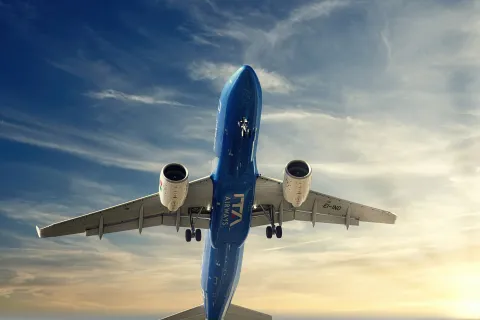
ENGLISH HARBOUR, Antigua — Virgin Atlantic is back in the game. After sitting out 2025, the airline has returned as transatlantic sponsor for Antigua Sailing Week 2026, a move that matters as much for what it signals about Caribbean tourism confidence as for the practical lift it gives UK sailors trying to get boats and crews across the Atlantic without breaking the bank.
The partnership announcement came February 24, two months ahead of the April 22-26 regatta at English Harbour and Falmouth Harbour on Antigua's south coast. For an event that pulls hundreds of UK sailors and supporters annually, having a direct London route with preferred group rates changes the logistics equation in real terms.
Why the Gap Mattered
Virgin Atlantic's absence in 2025 wasn't explained in detail, but one-year sponsorship gaps in Caribbean sports tourism typically track back to post-pandemic route consolidation, yield management pressures, or cautious budget cycles. The fact that they're back suggests the numbers worked again, both for the airline's Caribbean load factors and for Antigua's ability to deliver the kind of international turnout that justifies carrier investment. "We are thrilled to welcome Virgin Atlantic back to the Antigua Sailing Week family. Their return is not only a boost for the event, but also a strong signal of confidence in Antigua as a premier sailing and tourism destination," said Rana-Jamila Lewis, Regatta Logistic and Marketing Manager for Antigua Sailing Week, according to Airlines. That confidence matters. Antigua competes with a dozen other Caribbean islands for spring sailing traffic, and having a legacy transatlantic carrier back you sends a message to charter operators, race organizers, and crews evaluating where to allocate their April budgets.What the Partnership Delivers
Virgin Atlantic is offering preferred fares on its London-Antigua route specifically for ASW participants: crews, charter groups, and spectators. The booking channel runs through [email protected] with reference code ASW2026, a straightforward setup that should streamline group coordination for UK sailing clubs and charter brokers. This isn't soft sponsorship. For sailors moving gear, spares, and people across 4,000 miles of ocean, fare agreements and baggage allowances make or break participation decisions. A direct route with negotiated rates eliminates connecting flights through Miami or New York and cuts down on the risk of missed connections that strand crew or delay boat prep. "We are proud to renew our partnership with Antigua Sailing Week, an event that perfectly reflects the energy, spirit, and global appeal of our brand," said Sean Edwards, Virgin Atlantic, according to Airlines. That alignment isn't just marketing language. Virgin Atlantic has long positioned itself around lifestyle travel and experiential destinations, and a high-profile Caribbean regatta fits the brand DNA better than generic beach resort traffic. For Antigua, it's validation that the event still carries enough cachet to attract premium carrier support.The UK Factor
British sailors have been the backbone of Antigua Sailing Week's international participation for decades. The regatta pulls hundreds from the UK each year, a demographic that skews toward yacht clubs, charter syndicates, and serious amateur racers with disposable income and flexible April calendars. That market concentration makes airline partnerships critical. Without reliable, affordable transatlantic access, participation drops. With it, the event can justify its "premier global sailing destination" branding and maintain the critical mass of international entries that keep sponsors, media, and local tourism stakeholders engaged. The London-Antigua route also serves as a feeder for crews connecting from Europe, where April regattas compete for attention with Mediterranean and Atlantic island racing circuits. A strong Virgin Atlantic presence helps Antigua hold its own against events in the Canaries, Greece, or the western Med.What's New in 2026
This year's regatta runs April 22-26 at English Harbour and Falmouth Harbour, the historic twin anchorages on Antigua's south coast that have hosted competitive sailing for generations. The format blends relaxed racing with point-to-point cruising and shoreside events, designed to appeal to both serious racers and cruising sailors looking for a mix of competition and Caribbean atmosphere. Trade winds in late April are reliable, typically blowing 15-20 knots from the east, which makes for consistent racing conditions without the heavier seas and squalls that can complicate winter events. The harbours themselves offer protected anchorage, shore infrastructure, and enough restaurants, bars, and marine services to support a week-long event without logistical strain.Broader Implications
Virgin Atlantic's return fits into a wider pattern of Caribbean tourism rebounding to pre-2020 capacity, with carriers adding back routes and frequencies that were cut during the pandemic downturn. For Antigua, which depends heavily on UK and North American airlift, every restored route and renewed partnership strengthens the island's ability to compete for shoulder-season visitors when much of the region sees softer demand. The timing also matters. April sits between winter high season and summer hurricane prep, a window when Caribbean destinations need events like Antigua Sailing Week to fill hotels, marinas, and restaurants. Airline partnerships that drive international participation help stabilize that revenue stream and give tourism boards leverage to negotiate future carrier commitments. For sailors evaluating 2026 plans, the Virgin Atlantic deal makes Antigua a more practical option. For the island, it's a vote of confidence that the event still delivers enough international pull to justify transatlantic investment. And for the regatta itself, it's a logistics win that should translate into stronger UK entries and smoother operations when boats start hitting the start line in late April.About the Author

Jeff Colhoun
Jeff Colhoun is an acclaimed travel writer, photographer, and filmmaker, whose work is respected both in the United States and internationally.