Capri Fines Tourists £435 for Single Water Bottles | Jetsetter Guide

Capri Fines Tourists £435 for Single Water Bottles

CAPRI, Italy — The luxury Italian island enforces strict plastic bans targeting tourists with hefty fines, transforming how visitors navigate one of Europe's most iconic destinations.

By James Anthony 5 min read
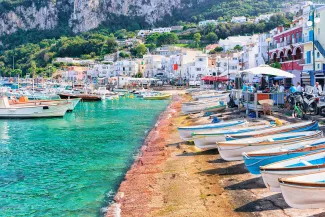
Capri's Plastic Ban: What Every Tourist Needs to Know Before Summer

CAPRI, Italy — If you're booking a last-minute escape to one of Italy's most glamorous islands this summer, leave the disposable water bottle at home. Capri, the jewel-box island in the Gulf of Naples synonymous with limoncello, boutique hotels, and Dolce Vita excess, has introduced one of Europe's strictest plastic bans, and it comes with a sting: a 500-euro fine for tourists caught carrying single-use plastics in public. That's roughly £435 for a water bottle. Not a case of water. Not a shopping bag full of contraband straws. A single plastic bottle. The ordinance, Ordinance No. 12/2026, was approved by the Capri municipal council in January and goes into effect from June 1 to September 30, 2026, precisely when the island swells with visitors. It's a bold environmental measure that doubles as a warning shot to the overtourism machine that has reshaped this once-sleepy Mediterranean retreat.

Why Capri Is Cracking Down

Capri welcomes around 2.7 million tourists annually, according to Travel. For an island with just 12,000 to 15,000 permanent residents, that's a logistical and environmental nightmare. Most of those visitors are day-trippers, arriving by ferry, snapping photos at the Faraglioni rocks, and leaving behind mountains of waste. An estimated 15 tons of plastic waste is collected from beaches yearly, with 70 percent attributed directly to tourism, according to background research. The island's infrastructure wasn't built for this volume. Narrow roads, limited waste facilities, and a drinking water supply that depends 90 percent on desalination make plastic pollution not just unsightly but operationally destructive. "Capri, for its name and its image in the world, couldn't avoid participating in an environmental sustainability initiative," said Mayor Gianni De Martino to Capri News. The ordinance is part of Capri's 2025 to 2030 Green Plan, funded by a 2 million euro EU grant. It aligns with Italy's national single-use plastics ban and broader EU directives, but Capri is taking it further by actively targeting tourists, not just businesses.

What's Banned and What Happens If You Break the Rule

The ban covers single-use plastic water bottles of 1.5 liters or less, along with straws, cutlery, plates, cups, and bags. All must be non-biodegradable plastics. If you're caught carrying any of these items in public areas, the fine is 500 euros, enforced by a team of 50 plastic inspectors deployed across the island during peak season. There are exemptions. Travelers with medical needs can carry plastic bottles if they have a doctor's note. Otherwise, the expectation is simple: bring a reusable bottle and refill it at one of the 25-plus public fountains scattered across Capri and Anacapri. It's unclear how aggressively enforcement will play out in practice. Will inspectors stop tourists at the Marina Grande ferry terminal? Will they patrol the Piazzetta? Online forums like TripAdvisor are buzzing with speculation about backpack checks and whether hotels will warn guests upon check-in. What's certain is that the island is serious. Projected revenue from fines, assuming 500 violations, is pegged at 250,000 euros for the 2026 season.

How to Navigate the Ban Without Getting Fined

This isn't a trap; it's a system you can work with. First, invest in a good reusable water bottle before you arrive. Stainless steel or collapsible silicone models are durable and travel-friendly. Pack it empty through airport security, then fill it at your hotel or one of the island's public fountains. Many are historic, fed by natural springs, and offer water that's perfectly safe to drink. Second, ask your hotel or Airbnb host for guidance. Many accommodations are now briefing guests on the ban and providing branded reusable bottles as part of the welcome package. Boutique properties, especially those leaning into Capri's eco-luxury rebrand, are embracing the policy as a competitive edge. Third, avoid convenience stores selling single-use bottles near tourist hotspots. If you're desperate for hydration and forgot your bottle, look for cafes or restaurants offering drinks in glass or aluminum. Some shops have started selling beverages in biodegradable packaging, though availability varies. Finally, plan your day trips accordingly. If you're visiting for just a few hours, bring your reusable bottle with you on the ferry. Day-trippers are the most vulnerable to fines because they're less likely to be informed about the ban and more likely to grab a plastic bottle en route.

The Bigger Picture: Capri as a Model for Overtourism Solutions

Capri's plastic ban is part of a broader reckoning with overtourism in Italy. Venice has introduced entrance fees, Sardinia has restricted beach access, and the Cinque Terre limits daily visitor numbers. Capri is using environmental policy as a lever to reshape tourist behavior without imposing outright caps. It's a gamble. Some hoteliers initially protested the ordinance, fearing backlash from visitors. But others see it as an opportunity to attract a different kind of traveler: one who values sustainability, respects local systems, and is willing to adjust habits for the privilege of visiting one of Europe's most iconic islands. "Capri must remain pristine," said Mayor Paolo Falco, according to background research. The ordinance reflects that philosophy. It's a signal that the island is no longer interested in high-volume, low-engagement tourism. Instead, it's courting travelers who approach cities and islands as layered stories, not Instagram backdrops.

What This Means for Your Trip

If you're planning a Capri getaway this summer, treat the plastic ban not as an inconvenience but as an opportunity to travel smarter. It's a reminder that luxury isn't about disposability; it's about thoughtful engagement with place. Pack light, refill often, and embrace the island's environmental ambitions as part of the experience. And if you're tempted to test the system, remember: 500 euros buys a lot of limoncello. Better to save your euros for that and leave the plastic at home.

Keep Exploring

Bed bugs in hotel room

How to Dodge Bed Bugs on Your Next Trip

Bed bug infestations pose a universal travel risk across all accommodation types, with bites appearing as clustered red bumps that require simple but consistent care.

5 min read
Sabah Borneo

Sabah Tourism Faces Value Crisis as Prices Soar

KOTA KINABALU, Malaysia — Escalating visitor dissatisfaction with "five-star prices for three-star service" exposes systemic weaknesses across Sabah's tourism industry, prompting urgent calls for coordinated action.

5 min read
Global Wonders: UNESCO World Heritage Quiz
Quiz

Global Wonders: UNESCO World Heritage Quiz

Ready to flex your UNESCO knowledge? Dive into this 10-question quiz covering wo