
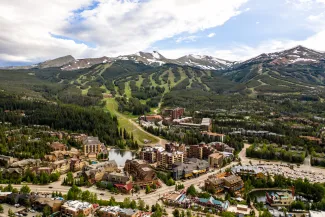
COLORADO — Remember when it felt like everyone and their dog fled to Colorado's mountain towns during the pandemic? When you couldn't find a hotel room in Breckenridge without booking months in advance, and trails were so packed you might as well have been walking through Times Square?
Well, those days are fading fast. And now, the communities that rode that wave are tightening their belts.
The Post-Pandemic Reality Check
Colorado's resort towns are facing a sobering new reality: fewer visitors, fewer booked hotels, and a lot less spending. After years of being absolutely swamped with out-of-towners who discovered the joys of remote work and mountain air, these communities are now planning for what looks like a lean year ahead.
The numbers tell the story pretty clearly. Travel spending in Colorado rose just 0.3% in 2024, according to the most recent available data. Compare that to the 4.2% growth nationally, and you can see why mountain town officials are getting nervous. It's not that tourism is collapsing; it's that the extraordinary boom has cooled off, and towns built their budgets expecting more of the same.
Breckenridge Feels the Pinch
Take Breckenridge, for example. Town leaders there didn't just hope things would magically work out; they planned their 2026 budget with the expectation that things would be tighter. Sales tax revenue, which is driven heavily by tourism in places like Breck, is projected to decline 3% from last year's forecast. And here's the kicker: last year's forecast was already on the conservative side.
When you're a mountain town, sales tax isn't just some abstract number on a spreadsheet. It's how you plow roads, maintain trails, staff your emergency services, and fund all those community programs that make a place livable year-round. A 3% decline might not sound catastrophic, but it's enough to make officials think twice about expensive projects they might have greenlit during the boom years.
What Changed?
The pandemic created this perfect storm for mountain tourism. People stuck at home, suddenly able to work remotely, discovered they could spend a week (or a month) in the Rockies instead of being chained to their desks in Denver or Dallas or wherever. Vail, Aspen, Telluride, Steamboat Springs—all of them saw an influx that pushed capacity to its limits.
But now? Remote work policies have tightened. Companies are calling people back to offices. Travel budgets that felt infinite in 2021 and 2022 are getting scrutinized more carefully. And frankly, people have more vacation options again. International travel is fully back, and those European river cruises or Caribbean resorts are competing for the same dollars that Colorado mountain towns were banking on.
Planning for Less
The shift isn't just about accepting lower revenue; it's about fundamentally rethinking what's realistic. During the boom, some mountain communities started planning ambitious infrastructure projects, expanded services, and hired additional staff. Now they're having to recalibrate.
It's a delicate balance. You can't just slash everything the moment things cool off, because tourism will eventually rebound. But you also can't keep spending like it's 2021 when the numbers clearly show a different reality. Mountain town officials are essentially walking a tightrope: maintaining the quality of services that attract visitors while being honest about what they can afford.
What This Means for Travelers
If you're planning a Colorado mountain trip soon, you might actually benefit from this shift. Fewer crowds mean easier hotel bookings, less competition for restaurant reservations, and trails that feel more like, well, actual nature instead of outdoor shopping malls.
But there's a flip side. If towns are cutting back on services or deferring maintenance projects, you might notice things aren't quite as polished as they were a couple years ago. Shuttle services might run less frequently. That new trailhead parking lot might get delayed. Nothing dramatic, but the little touches that come from flush budgets may start to fade.
The truth is, Colorado's mountain towns are entering a more normal phase after an extraordinary few years. They're not dying; they're just not exploding anymore. And for communities that have spent decades managing the boom-and-bust cycles of ski season tourism, this is familiar territory. They'll adjust, recalibrate, and figure out how to make it work.
For travelers, it's a reminder that those pandemic travel patterns—the spontaneous road trips, the extended mountain stays, the sense that everyone was heading to the same places—were an anomaly, not the new normal. The mountains will still be there, beautiful as ever. Just maybe a little quieter than they've been lately.
About the Author

Bob Vidra
Bob Vidra, based in scenic Tahoe, is an esteemed tech editor known for his deep understanding of the dynamic intersection of technology, travel, and the outdoors.